


Guide overview
A practical due-diligence checklist for checking a supplier's legal identity, product capability, compliance documents, samples and commercial terms.
To verify a Chinese supplier, check the contracting company's legal identity, its role in production, product-specific capability, compliance documents, sample quality and every commercial term before paying a deposit. A website and a competitive quotation are useful starting points, but they do not complete supplier due diligence.
This checklist is designed for importers, distributors and retailers sourcing small appliances or pet appliances from China.
1. Verify the company's legal identity
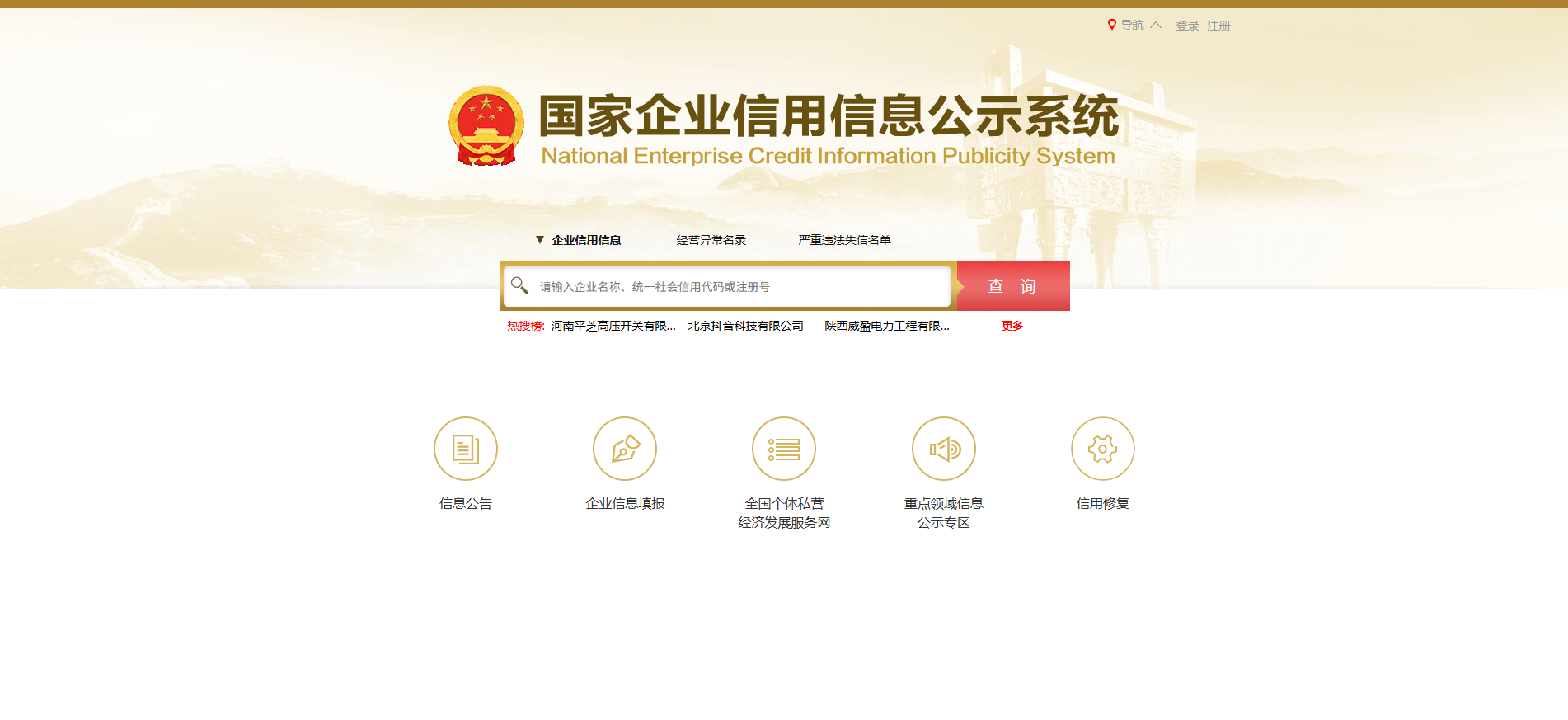
Ask for the supplier's registered company name and Unified Social Credit Code. Search the official National Enterprise Credit Information Publicity System, then compare the record with the quotation, contract and payment details.
| Information | What the buyer should confirm |
|---|---|
| Registered name | Matches the contracting party on the quotation and purchase agreement |
| Registration status | The company is active |
| Business scope | Covers the relevant products or trading activities |
| Company identity | The legal entity receiving the order and payment is clear |
2. Understand the supplier's actual role
A manufacturer and a trading company can both be suitable. The key question is who controls product engineering, production, tooling, quality checks, testing and packaging for your order.
| Area | Evidence to request |
|---|---|
| Production | Where and by whom the selected model is produced |
| Engineering | Who approves specification or component changes |
| Tooling | Who owns and maintains molds or tooling |
| Quality control | Inspection stages, records and responsible team |
| Testing | Applicable reports, laboratories and tested model details |
| Capacity | Realistic output and lead time for the required quantity |
3. Verify capability for the exact product
Supplier experience should match the requested configuration. For an air fryer, confirm capacity, rated power, voltage, frequency, temperature range, controls, food-contact components and packaging. For an automatic cat litter box, confirm sensors, motor system, safety protection, power supply, cleaning cycle, app functions and replacement parts.
Prepare the product specification before requesting a final quotation. Our small-appliance sourcing guide includes an RFQ structure and supplier comparison method.
4. Check product compliance before production
Requirements depend on the product and destination market. For the European Economic Area, the importer must confirm that applicable conformity assessment, technical documentation, marking, instructions and traceability requirements have been addressed. The European Commission provides an official summary of importer and distributor responsibilities.
- Identify the destination country and applicable product rules.
- Match certificates and test reports to the exact model and configuration.
- Review the Declaration of Conformity, labels, warnings and user instructions.
- Confirm which party will maintain the required technical documents.
5. Evaluate a sample against a written specification
| Sample area | Checks |
|---|---|
| Appearance | Colour, finish, assembly and branding position |
| Function | Performance, controls, noise and cleaning |
| Materials | Match with the agreed specification |
| Accessories | Correct items, quantities and ratings |
| Packaging | Protection, carton marks and retail presentation |
| Documents | Manuals, labels, warnings and model references |
Record the approved sample, specification and packaging artwork so the same references can be used for mass-production inspection.
6. Confirm the complete commercial offer
Confirm the model, specification, quantity, unit price in USD, MOQ, packaging, tooling, payment terms, lead time, inspection, warranty, spare parts and required documents in writing. State the Incoterm with a named place or port; compare EXW, FCA and FOB before accepting the logistics structure.
Supplier verification checklist
- ☐ Registered company and contracting party verified
- ☐ Manufacturing or trading role understood
- ☐ Product-specific capability reviewed
- ☐ Sample approved against a written specification
- ☐ Destination-market requirements identified
- ☐ Model-specific documents reviewed
- ☐ USD price, MOQ, packaging and tooling confirmed
- ☐ Lead time and inspection stages confirmed
- ☐ Payment terms and account details checked
- ☐ Incoterm and named delivery point recorded
- ☐ Warranty and spare-parts terms agreed
Frequently asked questions
How can I verify a Chinese supplier?
Check the registered company, business scope, contracting and payment entity, production role, product capability, compliance documents, sample and commercial terms. The evidence should match the exact product and order.
How do I know whether a Chinese supplier is a manufacturer?
Ask who produces the model and request evidence covering engineering, tooling, production, testing and quality control. Focus on capability for your product instead of relying on a website description.
Should I choose a manufacturer or a trading company?
Choose the supplier structure that can meet your product, quantity, compliance, communication and order-management needs. A capable trading company may coordinate several product categories, while a manufacturer may offer more direct production control.
What should I check before paying a deposit?
Verify the contracting company and bank details, then confirm the specification, sample, price, quantity, packaging, lead time, compliance documents, inspection plan, Incoterm and payment schedule in writing.
Plan your next sourcing step
Cheergrow helps business buyers organise requirements, compare suitable small-appliance and pet-appliance options and prepare export orders. Send your target product, quantity and destination market for a focused discussion.